
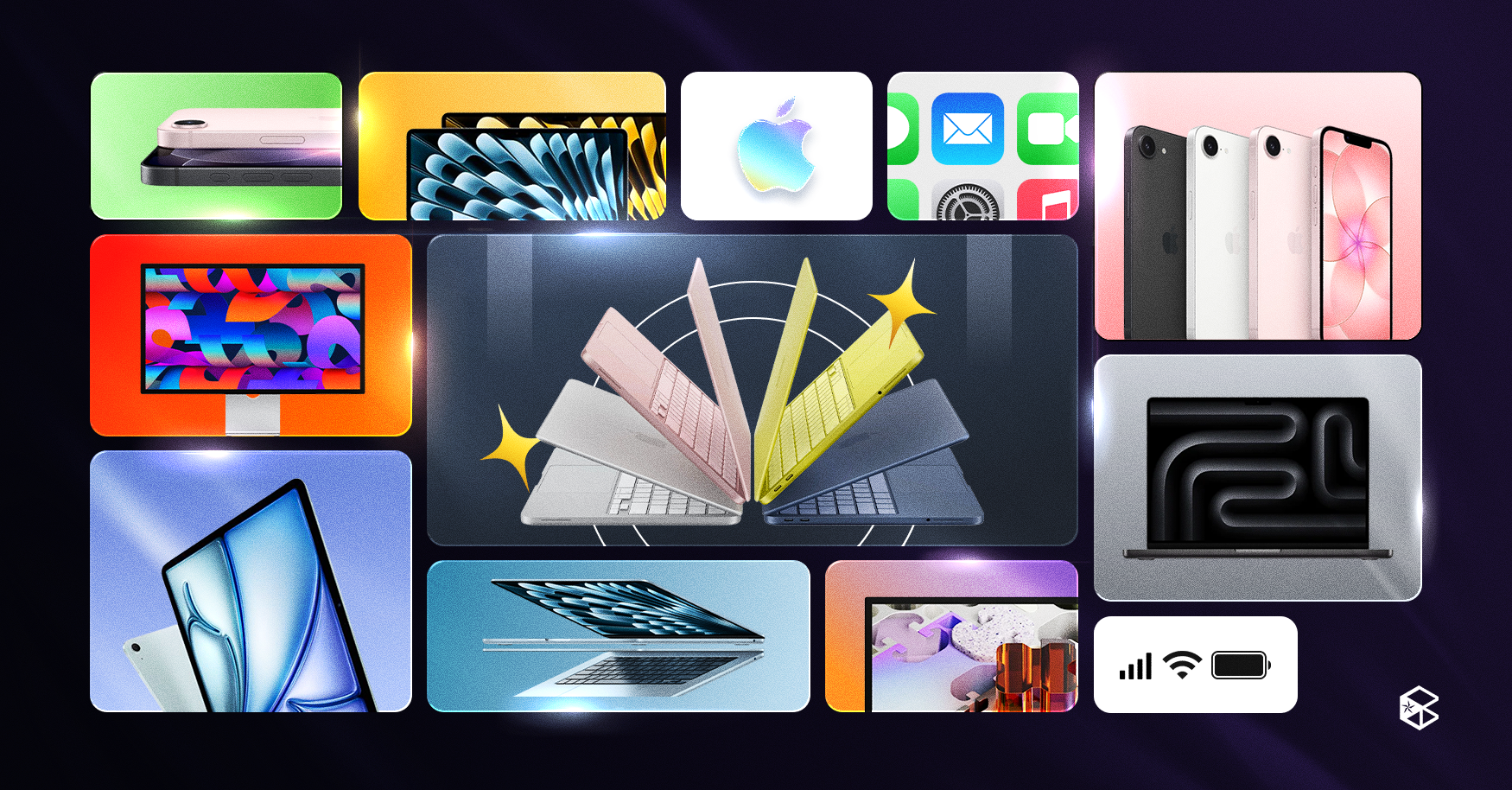




Apple expanded its 2026 device lineup with the debut of the MacBook Neo, iPhone 17e, M4 iPad Air, M5 MacBook Air and Pro models, and new Studio Display variants. These were announced during the “Special Apple Experience” event on March 4, in New York, London, and Shanghai. Below is an overview of their latest products.
Powerhouse meets value
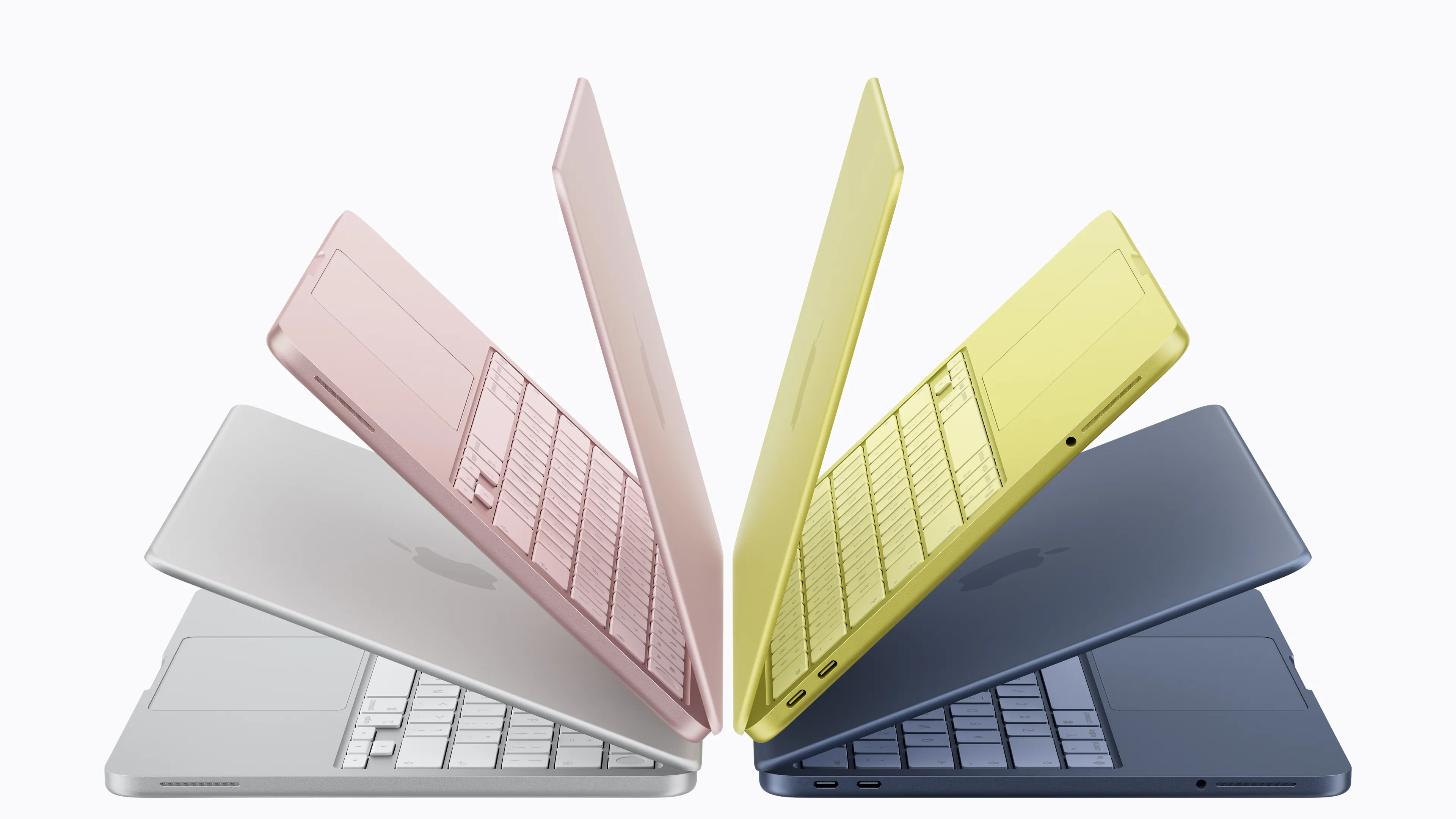
The MacBook Neo enters the market to show that solid performance and value can be combined into one compelling package. Equipped with the A18 Pro chip, the same chip used in the iPhone 16 Pro, it integrates a 6-core Central Processing Unit (CPU), a 5-core Graphics Processing Unit (GPU), and 8GB of unified memory, making it suitable for those who want a reliable laptop for daily tasks, study, and light work.
Key features include essentials such as a bright Liquid Retina display, 1080p HD camera, USB-C ports, and a 3.5mm headphone jack. Moreover, its 36.5Wh battery delivers up to 16 hours of video streaming or 11 hours of web browsing. At just 2.7 pounds, the 13-inch laptop comes in Silver, Blush, Citrus, or Indigo.
The MacBook Neo is available for as low as ₱39,990 with a 256GB SSD and ₱ 46,990 with a 512GB SSD, including a 20W USB-C Power Adapter and a 1.5m USB-C Charging Cable.
More power, same smart price
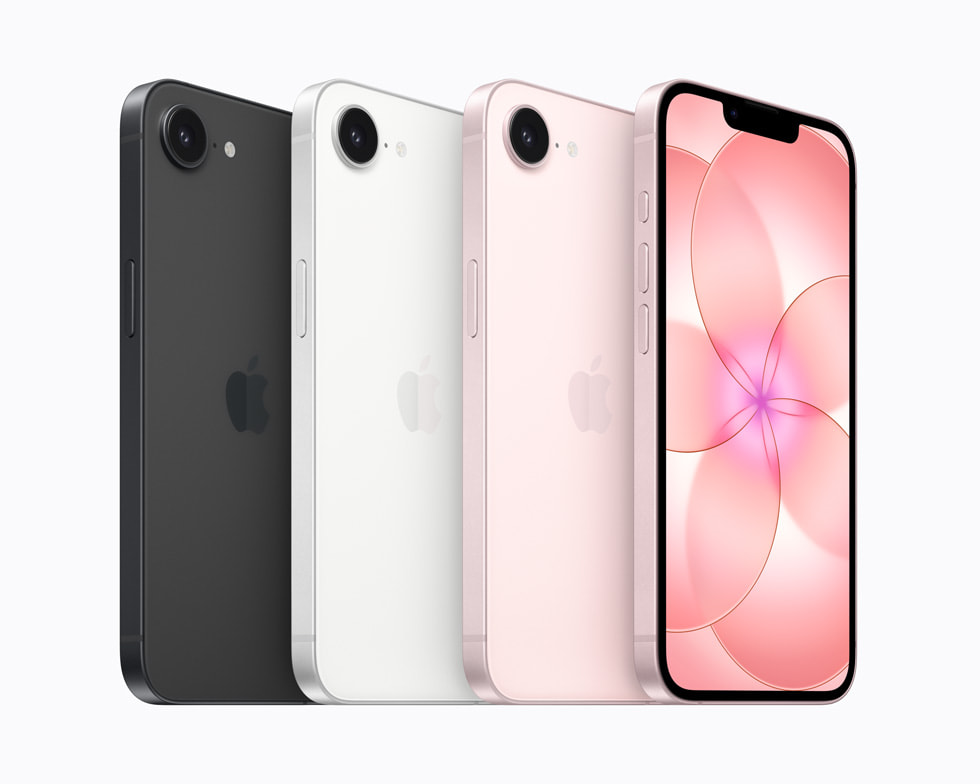
Apple also introduced the iPhone 17e, powered by the A19 chip, offering improved performance over the 16e’s A18. It mirrors its predecessor's 6.1-inch Super Retina XDR display and aluminum frame with a customizable Action Button, 12MP TrueDepth front camera, 48MP Fusion camera system with smart subject detection, MagSafe compatibility, and Apple Intelligence support.
Available at ₱44,990 for the 256GB variant and ₱59,990 for the 512GB variant, the iPhone 17e is offered in three color options: soft pink, white, and black.
Featherweight force
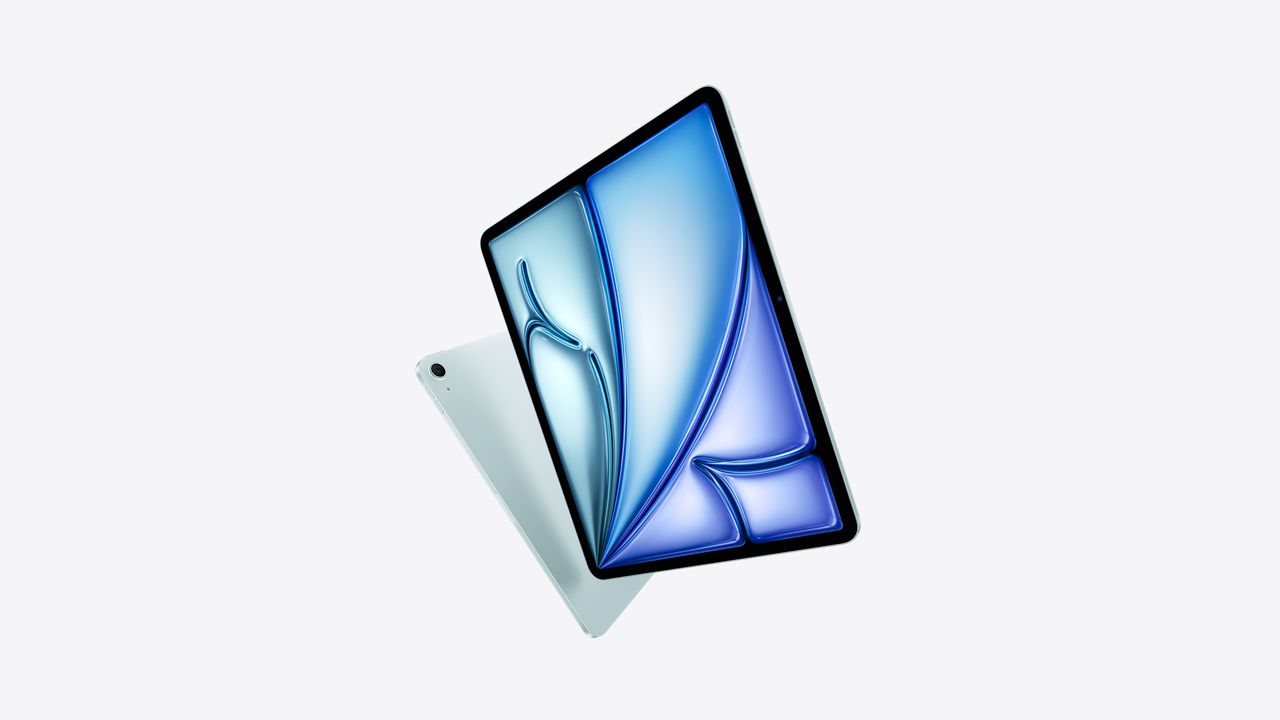
The M4-powered iPad Air combines cutting-edge performance with unmatched portability. The upgraded chip ensures that the iPad can handle highly demanding tasks such as video editing and graphics-intensive gameplay with boosted AI smarts.
Its camera setup includes a 12MP Wide Camera with 4K video on the back and a 12MP Ultra Wide camera with Center Stage on the front. Its enhancements in internal hardware enable smoother rendering performance and richer visuals without the need to step up to the iPad Pro. Beyond performance, the iPad Air retains its hallmark portability and lightweight design, offering users all the upgrades without compromising comfort or convenience.
The iPad Air is available in 11-inch and 13-inch, and comes in four colors: Space Gray, Blue, Purple, and Starlight. Wi‑Fi models start at ₱42,990 for the 11-inch and ₱54,990 for the 13-inch, while the Wi‑Fi + Cellular models begin at ₱52,990 for the 11-inch and ₱64,990 for the 13-inch.
Airborne edge
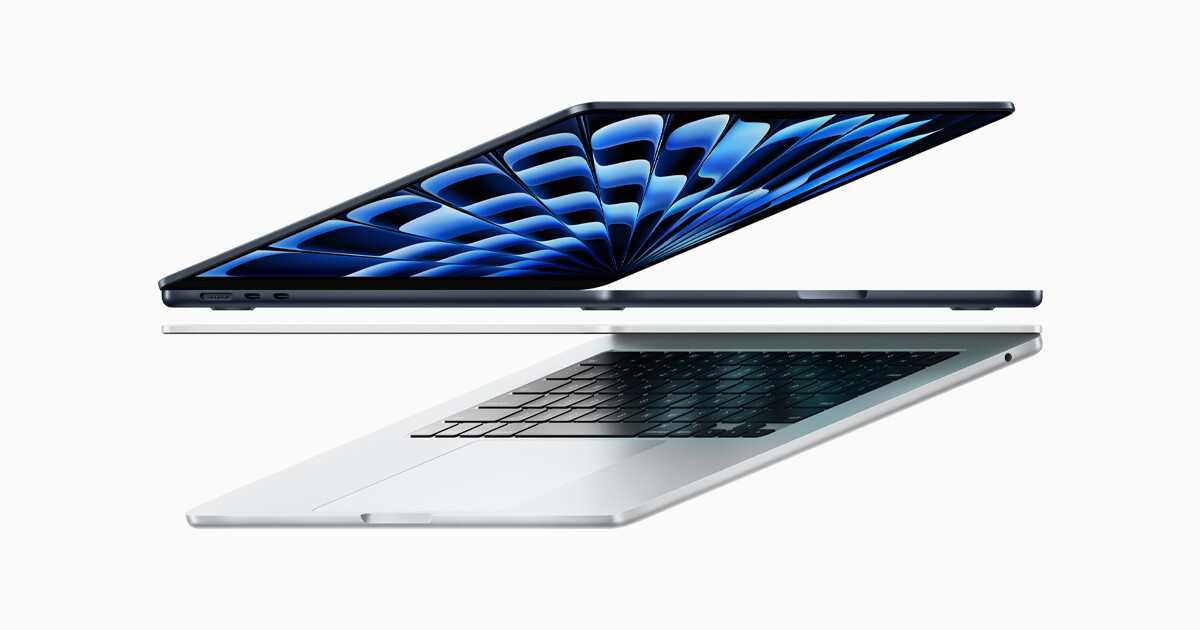
The MacBook Air has consistently been a fan favorite for its ability to perform well while maintaining a lightweight design. The new M5-powered model extends its capabilities further, balancing sleekness and portability with enhanced performance.
Under the hood, its 10-core CPU, 8-10 core GPU, and up to 32GB of memory allow multitasking, fluid-like graphics, and AI-driven task performance without the bulk. Its Liquid Retina display, Wide Color (P3), and Dolby Atmos support also make it a stronger choice for users who stream, edit light content, or work on the go.
The MacBook Air is available in sky blue, silver, starlight, and midnight. The 13-inch model starts at ₱ 72,990 with an 8-core GPU, while the 15-inch model starts at ₱ 85,990 with a 10-core GPU.
Built for breakthroughs
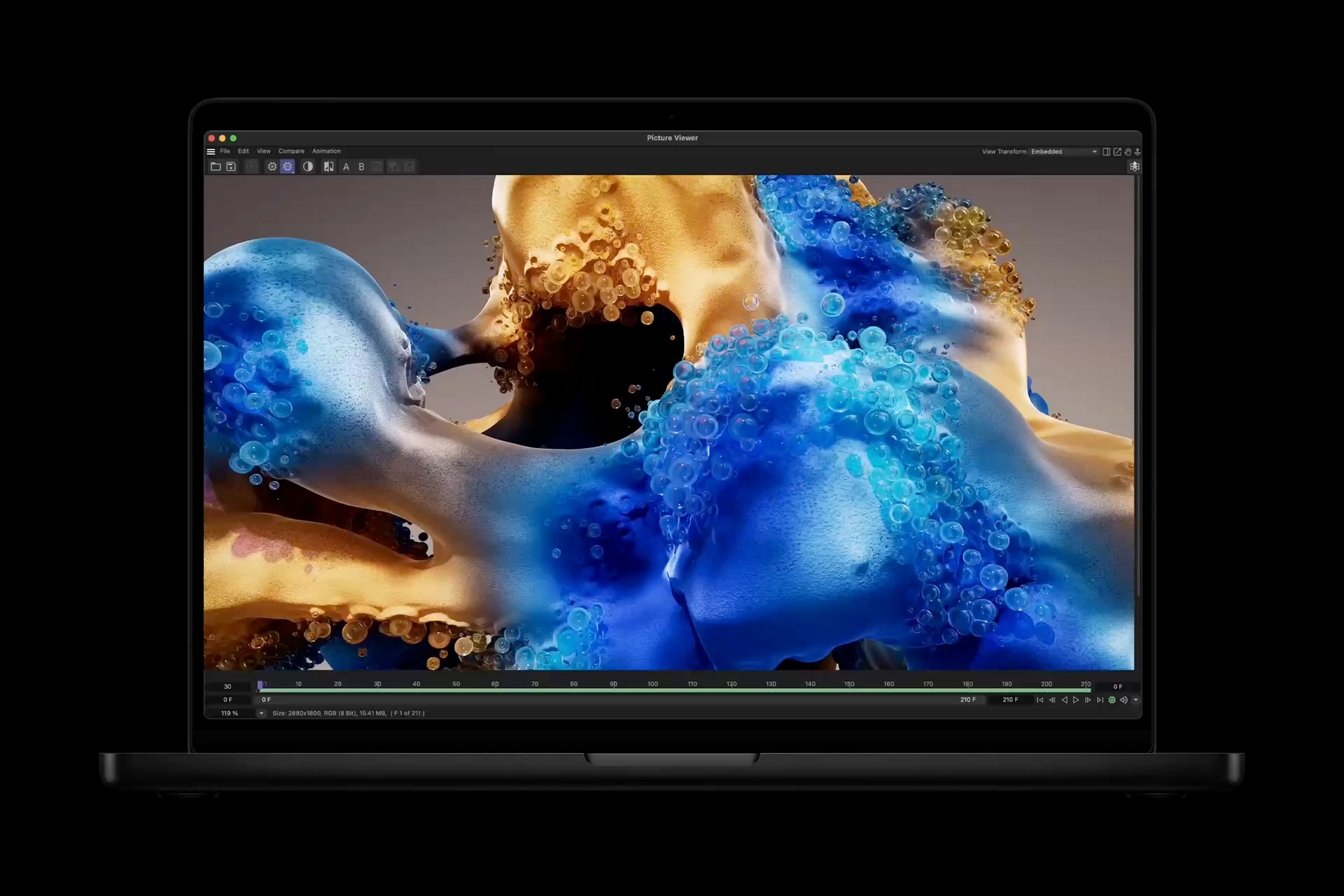
The MacBook Pro served as Apple’s flagship powerhouse. The latest models unleash the M5 Pro and M5 Max, blending the revolutionary Apple-designed Fusion Architecture into a single, seamless System-on-a-Chip (SoC).
Although both the M5 Pro and M5 Max run on the same 18-core CPU, the M5 Pro features up to 20 GPU cores, and 64GB of memory at 307 GB/s bandwidth. On the other hand, the M5 Max doubles down with up to 40 GPU cores and 128GB at 614GB/s.
With up to 2.5x the performance of the M1 Pro and M1 Max, the highly advanced chips are designed to meet the needs of users who require robust processing power and graphics that demand maximum GPU performance for complex, intensive professional tasks.
The MacBook Pro models’ Liquid Retina XDR display dazzles with peak XDR brightness of 1,000 to 1,600 nits peak brightness and SDR brightness of up to 1,000 in outdoor areas. Audio immersion includes a six-speaker sound system with force-cancelling woofers, spatial audio, and a studio-grade three-mic array boasting Voice Isolation and Wide Spectrum microphone modes.
The M5 Pro 14-inch MacBook Pro includes a 2-meter USB-C to MagSafe 3 cable and a 70W USB-C power adapter, which can be upgraded to a 96W USB-C adapter, while the 16-inch model is paired with a 140W USB-C power adapter.
The starting price for the 14-inch model is ₱149,990, while the 16-inch model starts at ₱179,990. As for the M5 Max chip, the 14-inch model starts at ₱239,990, and the 16-inch model starts at ₱259,990.
Pixels meet perfection
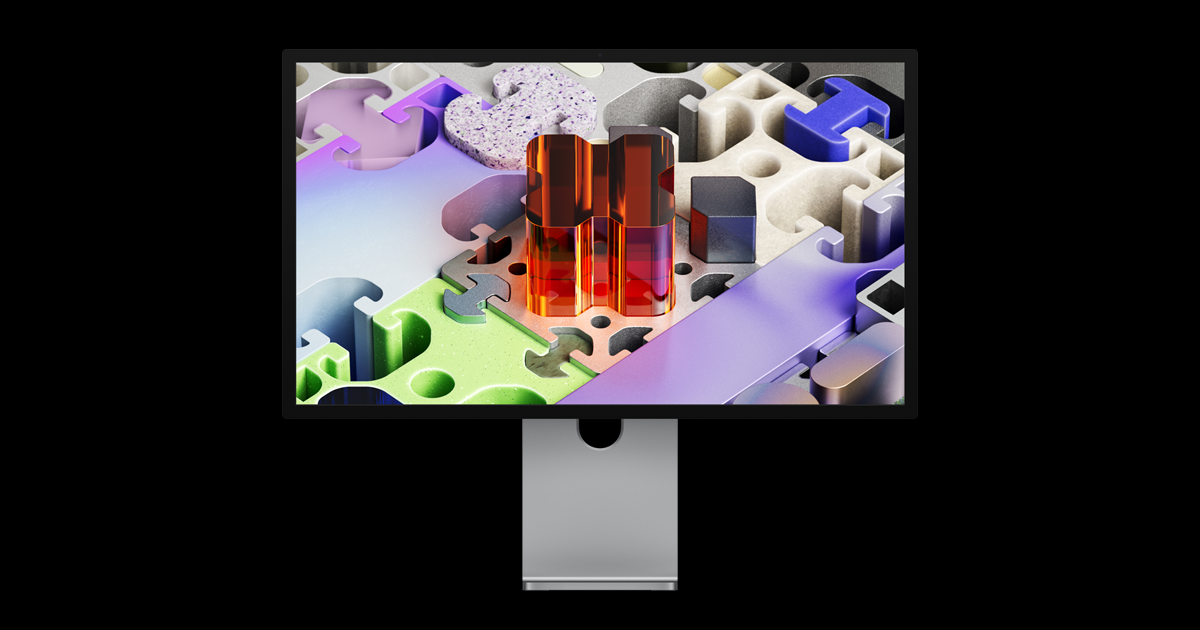
The new Studio Display featured a 5K Retina Display with a 60Hz refresh rate and 600 nits of brightness, a 12MP Center Stage camera with Desk View, and a six-speaker system with force-cancelling woofers that also supports spatial audio.
It offers something for everyone, whether creative professionals who can utilize the Digital Cinema mode to ensure color accuracy for the reproduction of film projects, Design and Print mode for graphic designers, or even the precise Photography mode for photojournalists.
The Studio Display XDR levels up with a 5K Retina XDR display, a 120Hz refresh rate and adaptive sync for a significantly smoother experience. This high-end Studio Display delivers 1 billion colors and adapts specialized reference modes designed for HDR video production and photography, providing creators with true-to-life visuals.
The Studio Display makes connectivity feel effortless with two Thunderbolt 5 ports, one that connects your Mac while charging your laptop at 96W or 140W for the XDR while the other supports daisy-chaining additional devices or even another monitor. In addition, there are two USB-C ports for basic accessories such as keyboards and a mouse.
The Studio Display’s price point starts at ₱104,999; while the Studio Display XDR starts at ₱219,999.
Apple’s March releases were made available for pre-order on March 4, marking another major expansion of its 2026 product lineup.
