
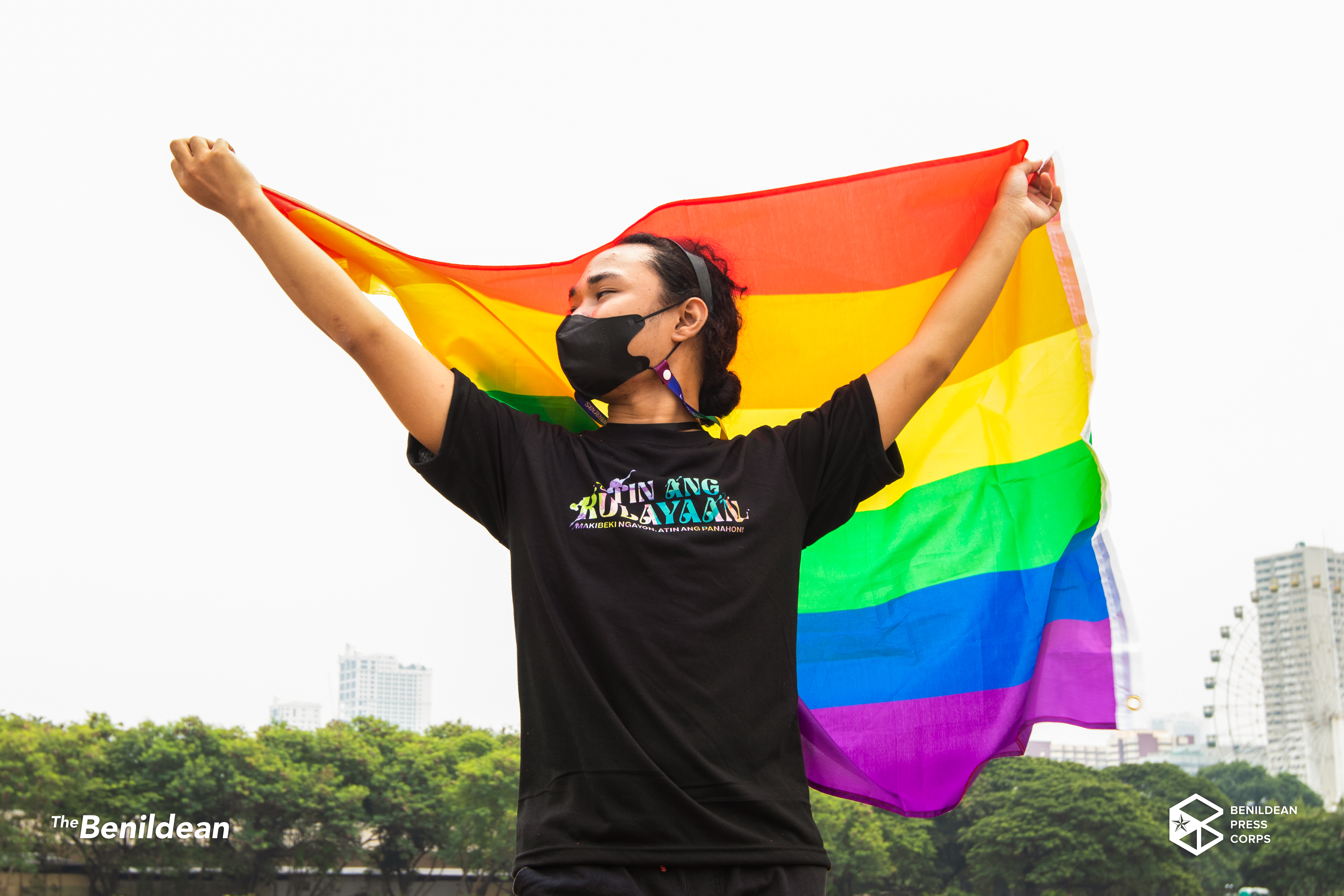




Every month of June, the LGBTQIA+ community celebrates the Pride March as a form of fraternity and solidarity for diversity and against discrimination and oppression of all kinds. After a two-year hiatus due to the COVID-19 pandemic, the face-to-face celebration of the Pride March in the Philippines has returned.
Held at the Cultural Center of the Philippines (CCP) Open Grounds in Pasay City on June 25, this year’s Metro Manila Pride March gathered the Filipino community from different colors and walks of life with the theme “Atin ang Kulayaan.”
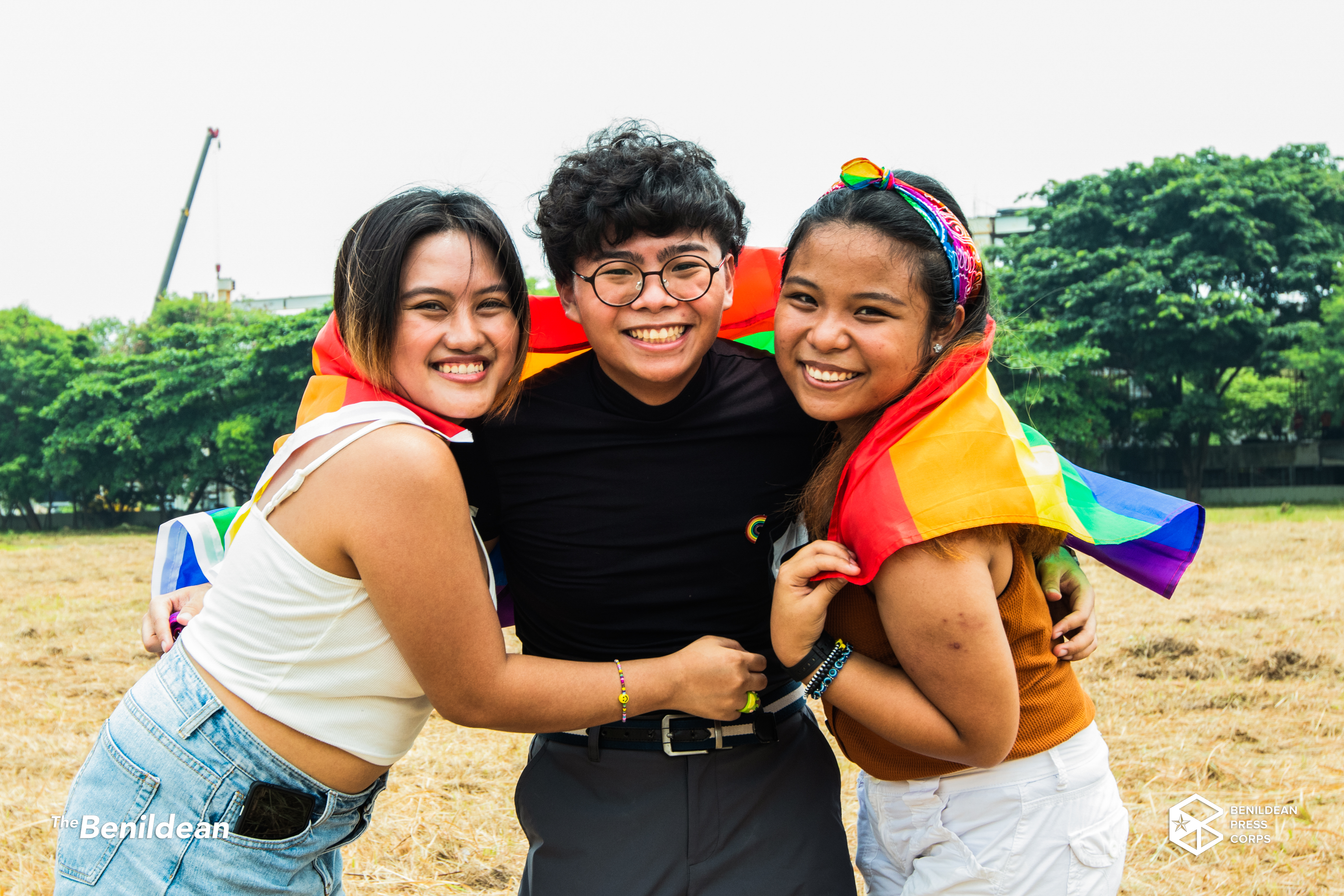
Metro Manila Pride had prepared various activities and mini events that allowed attendees the chance to learn more about the LGBTQIA+ community, such as the “Eduk Hangouts” that spearheaded workshops and orientations on LGBTQIA+ rights and education. In the afternoon session, various advocacy groups, drag queens, and representatives from sponsor companies took to the stage and kept the crowd excited with lively performances and inspiring speeches.
The main highlight of the event, the annual Pride March, began at 4 p.m., where members, allies, and supporters rallied together in a colorful array of flags and signs as both a celebration of their diversity and a protest against oppression.
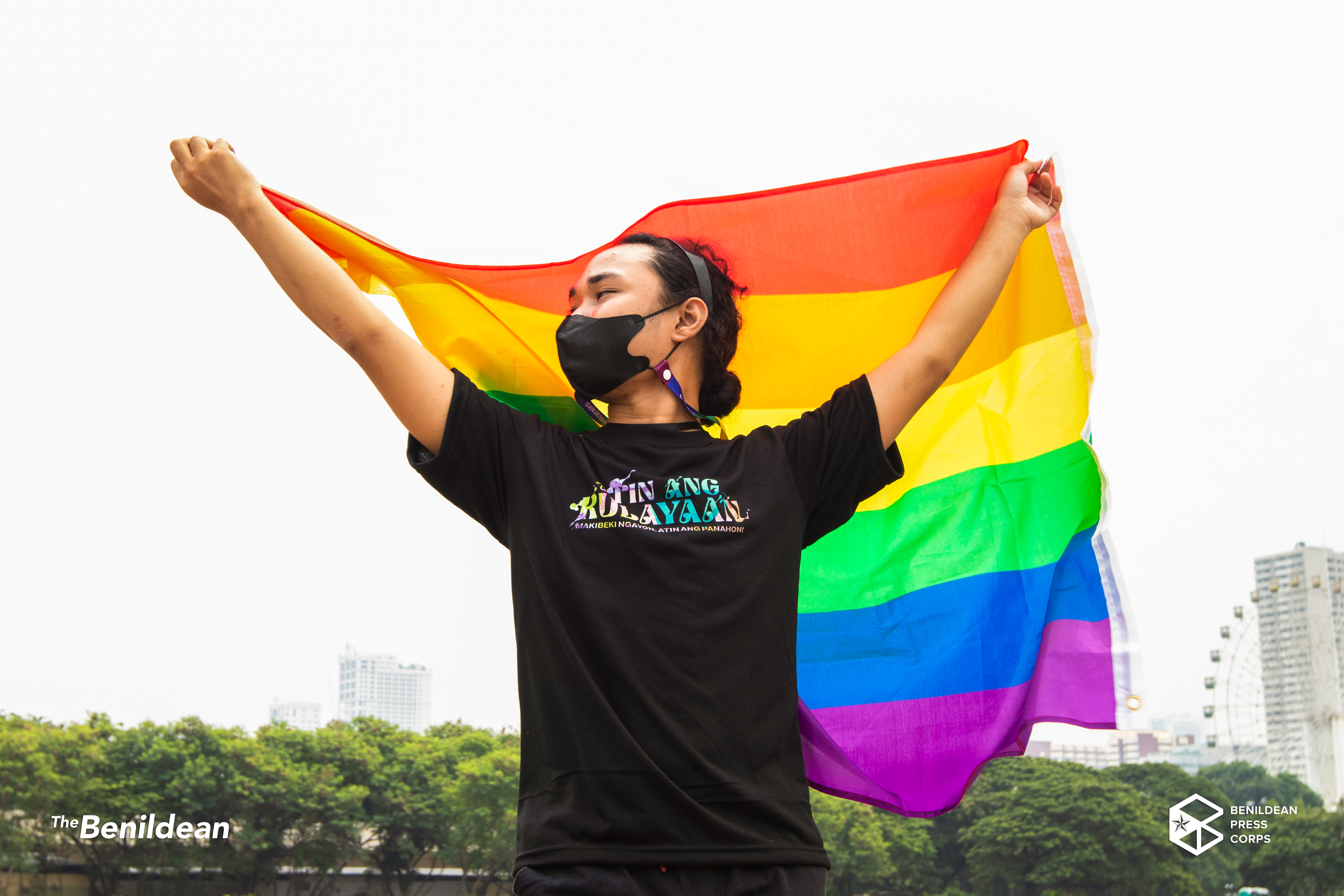
As soon as the march ended, people flocked to the open venue for the evening program, which continued where the afternoon session had left off with a number of entertaining and engaging performances. The colors of the rainbow, which has long been used by the members of the community as their sign of identity, flashed before everyone present: on flags, clothing, and even vehicles. Pride was here, and it was felt.
To further amplify the colorful personalities of the LGBTQIA+ community, The Benildean interviewed some of the attendees and asked about the deeper nature of this year’s Pride March.
Pride is…
Describing Pride in one word, it is a “protest,” according to Maria, a 24-year-old lesbian. “[...] Even though it doesn’t look or feel like it. I mean, we’re fighting for human rights while having fun; looking ‘slay.’”
The term “Pride” originated from “a certain group of people who have a certain pride, because we find that certain group of people exemplary or exceptional,” CallMeFantasy, a 25-year-old drag queen, added. “But in this context, I think Pride is a protest—in short, it’s a protest, we have to keep on protesting, [to] fight for what’s right for us.”
For Yanis, a 20-year-old bisexual, Pride is “related to what I’m wearing right now (a Venti cosplay from video game Genshin Impact). Pride means 'freedom,’ freedom for people who, I’d say, are discriminated [against] by some. And [in] Pride, we fight for our freedom.”
On the other hand, Sid, a 25-year-old bisexual, shared that “Para sa akin, all encompassing siya sa buong community. Just the fact na they can be themselves na sa mundo ngayon, aminin na natin na medyo bumabalik ang oppression sa atin, na ayun nga, the way they express ourselves—for me, is so powerful.”
“When you say Pride, it’s all about colors that we’re actually having in our everyday [lives],” Lakeisha, a 27-year-old drag queen expressed. “Something we need to celebrate every year, so that the world can definitely see us—because we’re already there but they are not seeing us, that we’re us.”
For Jerome, a 26-year-old homosexual, non-members of the LGBTQIA+ community need to be knowledgable about the community. “You need to research first what [Pride is] before attending it. Because some people see it as [only] a celebration, but it is [also actually] a movement, it is a protest for change, for acceptance, for respect to others—society and community of our country.”
Meanwhile, Lance, a 23-year old transgender woman, added that the presence of allies for the LGBTQIA+ community is very important, “...Especially their presence, especially the presence of queer people, especially the supportive ones.”
On the other hand, for Dio, a 25-year-old homosexual, members of the LGBTQIA+ community struggle to live freely today. Despite the growing acceptance of the LGTBQIA+ in these modern times, queer people are still subject to discrimination at home and in the workplace. However, Dio stated that “going back to one’s core” can be one’s guide to true acceptance.
Standing together
Pride is an action, a protest, and a fight. Everybody that comes to Pride proclaims their identity proudly, taking back what was stolen from them by years of oppression under cultural institutions that do not recognize their existence.
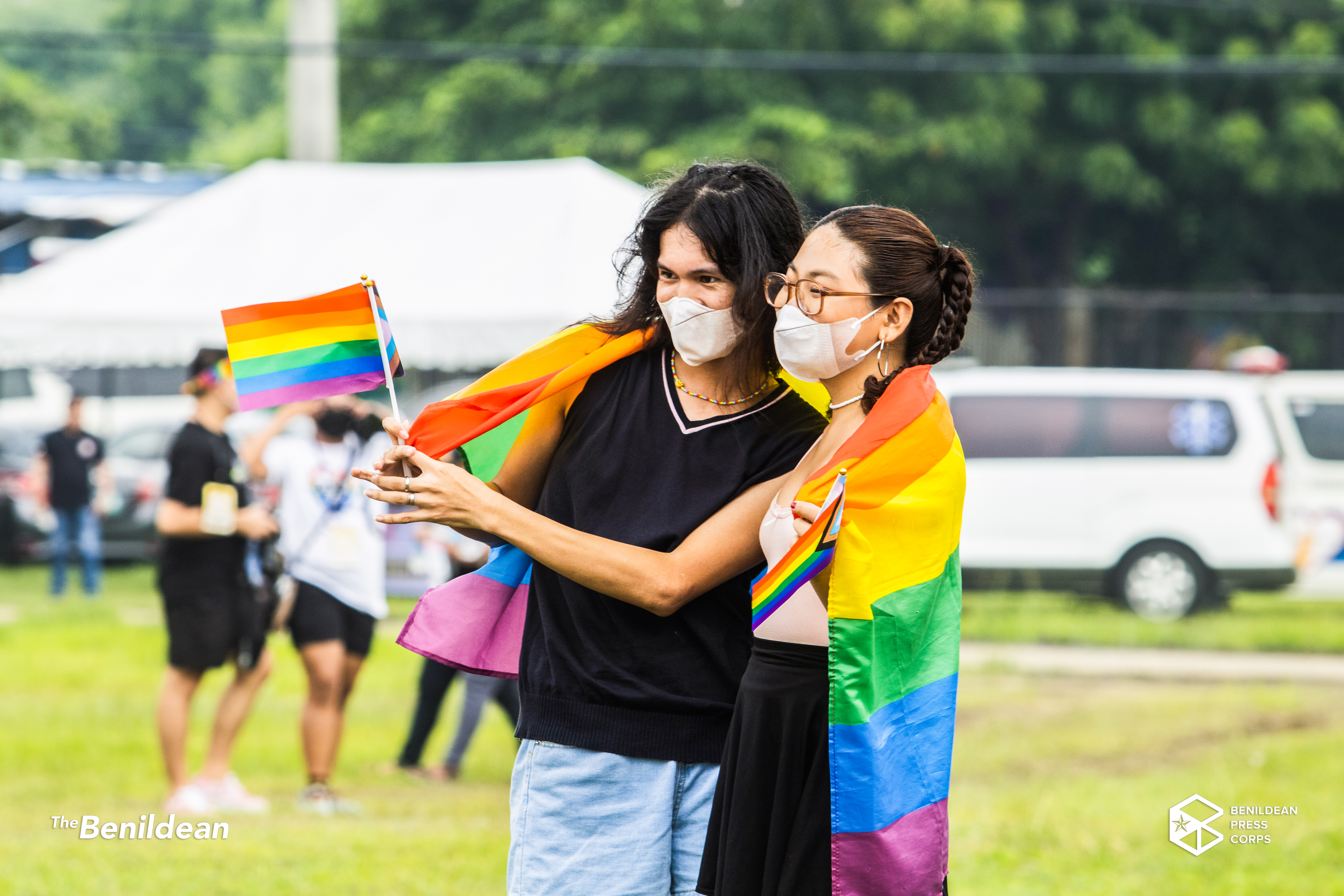
It is clear that behind the colors, smiles, and energy, these people are not just there for the extravagant celebration—as they march with and for the community, they also march for a future where they can be themselves peacefully and unapologetically. It is a future of equality and freedom.
